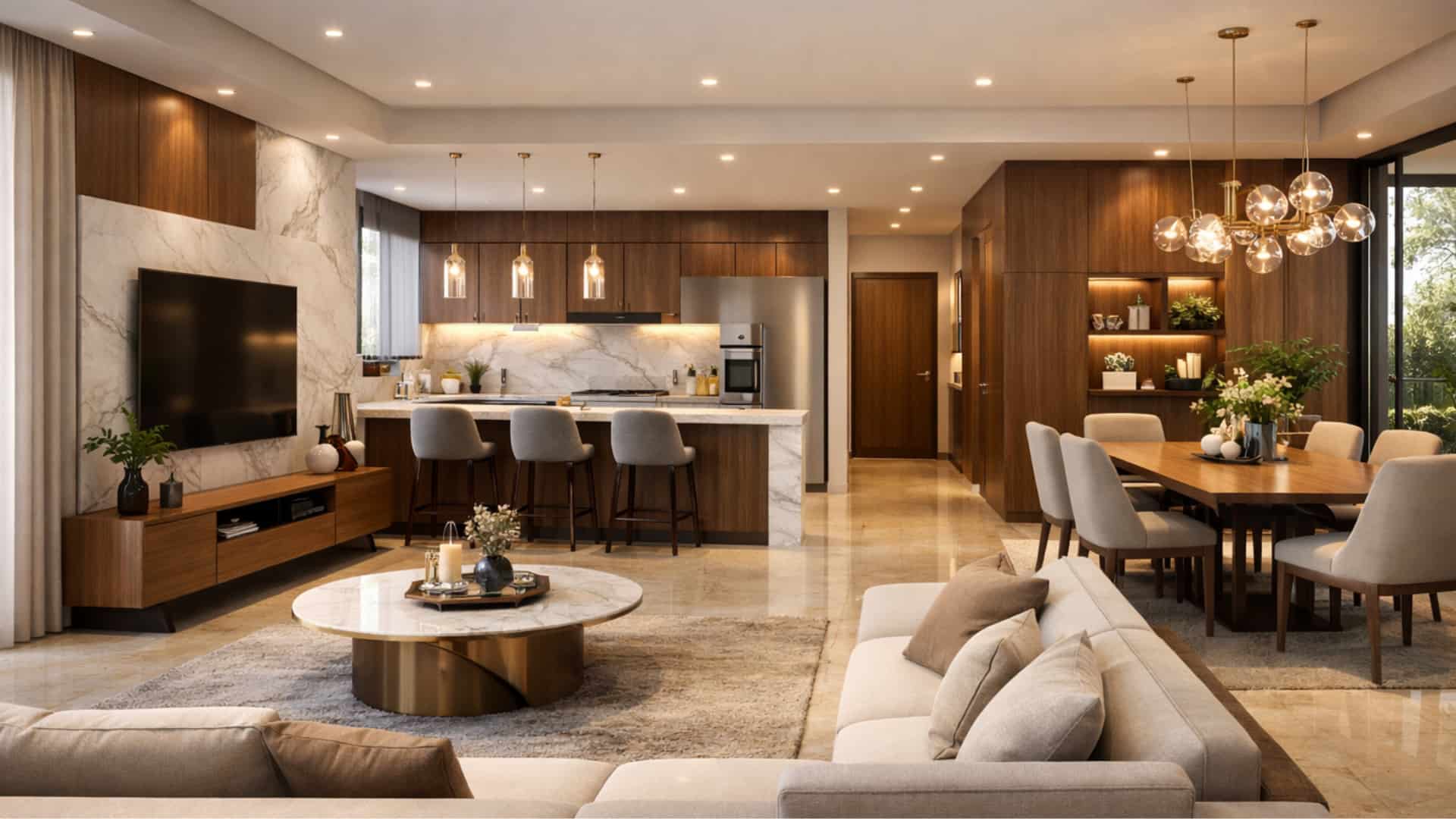
Premium interiors are distinguished by more than expensive furnishings or elaborate finishes. They emerge from meticulous planning, superior craftsmanship, sophisticated material palettes, and an unwavering attention to detail. In a city as dynamic as Bangalore, premium interior designers in bangalore are creating residences that combine contemporary elegance with practical functionality, producing environments that feel polished without becoming ostentatious.
A premium home begins with a thorough understanding of its architecture. Apartments, villas, penthouses, and independent residences each possess distinct proportions, structural characteristics, and opportunities. Rather than applying a predetermined template, thoughtful design responds to the personality of the property and the people who inhabit it.
Every detail matters. The alignment of cabinetry, the transition between materials, the placement of lighting, and the relationship between furniture and circulation can influence the overall perception of quality. When these elements are orchestrated carefully, refinement becomes apparent without demanding attention.
Creating Bespoke Spaces With Character
Personalisation is central to premium design. A sophisticated home should feel connected to its occupants, reflecting their lifestyle, preferences, routines, and aspirations.
Bespoke furniture can provide a particularly distinctive character. Custom wardrobes, sofas, dining tables, consoles, and storage units can be designed around precise dimensions, ensuring that every component feels integrated with the architecture. This approach can also resolve awkward corners and maximise otherwise underutilised areas.
Personalisation extends beyond furniture. Wall treatments, upholstery, hardware, artwork, lighting fixtures, and decorative accents can all contribute to an individual aesthetic. A handcrafted cabinet may introduce warmth, while an unconventional material pairing can create an unexpected focal point.
The objective is cohesion. Each element should belong to the same visual narrative while retaining enough individuality to prevent the interior from feeling predictable.
Exploring Refined Material Palettes
Materials provide the tactile foundation of a premium interior. Natural stone, timber, glass, metal, leather, textured fabrics, and artisanal finishes can introduce layers of depth that ordinary surfaces may lack.
Contrast is particularly effective. Smooth stone can be juxtaposed with natural wood, brushed metal can provide subtle luminosity against a matte finish, and plush upholstery can soften more architectural materials. These combinations create a sophisticated material dialogue.
Natural materials bring additional character through their inherent variation. Stone veining, timber grain, woven fibres, and handcrafted surfaces possess subtle irregularities that make each application distinctive. Such details can lend an interior a sense of provenance and authenticity.
Material selection should also consider durability. Premium design is not merely about initial visual impact. Surfaces and furnishings should retain their character despite years of everyday use.
Mastering Spatial Proportion
Proportion is one of the most understated components of exceptional interior design. A room can contain beautiful materials and furnishings yet still feel uncomfortable when their dimensions are poorly calibrated.
Thoughtful spatial planning considers furniture scale, ceiling height, doorways, windows, circulation paths, and negative space. Large rooms may benefit from substantial furniture that establishes visual gravitas, while compact spaces require pieces that provide comfort without overwhelming their surroundings.
Negative space is equally important. Leaving sufficient breathing room around significant furniture or decorative elements can make an interior appear more expansive and composed.
In apartments where floor area is limited, intelligent planning becomes even more valuable. Built-in storage, multifunctional furniture, sliding partitions, and vertical cabinetry can improve usability while preserving a sense of openness.
Illuminating Interiors With Precision
Lighting can completely transform the perception of a premium residence. Daylight provides an ever-changing foundation, while artificial illumination introduces atmosphere and functional versatility.
Natural light can be enhanced through carefully considered window treatments, reflective surfaces, and furniture placement. Sheer fabrics can diffuse sunlight, while layered curtains can provide privacy without eliminating brightness.
Artificial lighting should be approached as a composition rather than a single source. Ambient illumination provides general brightness, task lighting supports activities, and accent lighting highlights artwork, textures, architectural features, or decorative objects.
Concealed lighting can create particularly elegant results. Soft illumination beneath cabinetry, inside niches, or along ceiling recesses can add depth without revealing the source. Statement pendants and sculptural fixtures can also function as artistic elements when their proportions complement the room.
Combining Technology With Sophistication
Modern premium homes increasingly incorporate intelligent technology. Automated curtains, smart lighting, climate controls, integrated entertainment, and advanced security systems can make daily routines more convenient.
Yet technology should remain visually discreet. Wiring, speakers, switches, and equipment can be incorporated into architectural features and custom cabinetry, preserving clean surfaces and uncluttered compositions.
Smart lighting can create different scenes for entertaining, relaxing, reading, or working. Automated window treatments can respond to daylight, while integrated entertainment systems can provide sophisticated functionality without dominating the room.
The finest technology is often almost imperceptible. It enhances the experience while allowing architecture and design to remain the focal points.
Designing Around Modern Lifestyles
Premium interiors must work beautifully in everyday circumstances. A residence should not merely photograph well. It should accommodate routines with ease.
Home offices require ergonomic furniture, effective lighting, and suitable acoustics. Kitchens need efficient layouts and accessible storage. Bedrooms benefit from tranquil palettes, comfortable furnishings, and carefully controlled illumination. Entertainment areas should encourage conversation while maintaining sufficient circulation.
Storage deserves particular attention. Bespoke cabinetry, concealed compartments, integrated shelving, and intelligently designed wardrobes can prevent clutter from disrupting the visual harmony of a room.
Flexible planning is also valuable. Spaces can be designed to adapt as households change, allowing rooms to serve different purposes without requiring extensive renovation.
Bringing Nature Into Premium Interiors
Urban living often creates a desire for greater contact with nature. Biophilic design introduces organic materials, greenery, natural light, and outdoor connections into residential environments.
Indoor plants can soften architectural geometry and bring vitality to sophisticated interiors. Timber, stone, rattan, linen, and terracotta can introduce natural tactility, while expansive windows can visually connect living spaces with balconies, terraces, or gardens.
Bangalore’s residential architecture provides numerous opportunities for this approach. A thoughtfully designed balcony can become a tranquil retreat, while strategically placed greenery can create visual continuity between interior and exterior spaces.
Natural elements can therefore temper the precision of contemporary architecture, producing interiors that feel luxurious yet welcoming.
Curating Art and Decorative Elements
Premium interiors benefit from careful curation rather than decorative excess. Artwork, sculptures, heirlooms, books, and handcrafted objects can provide personality and emotional depth.
A large painting can anchor a living room, while a sculptural object can introduce visual intrigue to an otherwise restrained setting. Family heirlooms can also create an appealing dialogue between heritage and contemporary design.
Placement is crucial. Lighting, sightlines, proportion, and negative space influence how an object is experienced. A meaningful piece given sufficient breathing room can have greater impact than numerous decorative items competing for attention.
This principle creates a sense of considered elegance. Nothing feels arbitrary.
Prioritising Craftsmanship and Longevity
Craftsmanship is an essential characteristic of premium design. Beautiful materials require skilled execution to achieve their full potential. Precise joinery, seamless finishes, carefully fitted cabinetry, and high-quality hardware contribute to the sense of refinement.
Longevity should also guide design decisions. Timeless materials and adaptable furnishings can remain relevant as decorative preferences evolve. Instead of relying heavily on fleeting trends, a well-considered interior establishes a sophisticated foundation that can be refreshed through artwork, textiles, accessories, and selected furniture.
Sustainability can naturally complement this philosophy. Durable products, responsible material sourcing, energy-efficient lighting, and locally crafted elements can reduce unnecessary consumption while adding authenticity.
Where Premium Design Meets Everyday Perfection
Premium interior design ultimately lies in the convergence of beauty, precision, comfort, and individuality. It is found in the effortless opening of a perfectly fitted cabinet, the warmth of carefully selected lighting, the tactile richness of natural materials, and the quiet convenience of intelligently integrated technology.
A beautifully designed Bangalore residence should feel impressive without becoming intimidating. It should accommodate everyday routines while retaining an unmistakable sense of refinement.
When spatial planning, craftsmanship, materiality, lighting, technology, and personal expression are brought together with discipline, a home becomes more than visually appealing. It becomes an environment where every detail supports the way people live, creating a distinctive experience of comfort and sophistication that remains compelling long after trends have changed.
About the Author