A well-designed interior can change the way a home feels, functions, and even how people move through it. It is not merely about choosing attractive furniture or matching colors. Interior design is a nuanced discipline that brings together spatial planning, materials, lighting, ergonomics, architecture, and personal expression.
For homeowners looking to transform ordinary rooms into distinctive environments, interior designers in bangalore can provide the creative perspective and technical expertise required to achieve a cohesive result. With Bangalore’s varied residential architecture and contemporary lifestyle, interior design has become an increasingly important part of creating comfortable and characterful homes.
The Essence of Contemporary Interior Design
Interior design begins with understanding the space itself. Every room has proportions, natural light, circulation patterns, architectural features, and practical constraints that influence its potential.
A thoughtful designer considers these elements before introducing decorative features. The objective is to establish harmony between aesthetics and functionality.
A beautiful room should also work beautifully.
That principle can influence everything from the position of a sofa to the height of storage units and the placement of electrical fixtures. When these details are coordinated, a space feels intuitive rather than artificially assembled.
Bangalore’s Diverse Design Landscape
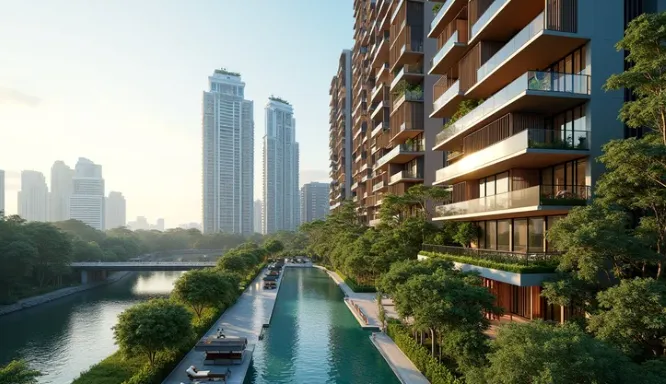
Bangalore is home to an eclectic mixture of apartment residences, independent houses, villas, penthouses, and compact urban properties. Each typology presents its own design vocabulary.
Apartments may require ingenious storage and multifunctional furniture because usable floor area can be limited. Independent homes may offer greater flexibility but require careful coordination between multiple rooms. Villas can present the opposite challenge, where large spaces need visual cohesion to avoid feeling cavernous or disconnected.
This diversity allows designers to explore different approaches while responding to the specific architecture of each property.
Personalization Over Generic Trends
One of the most important principles in residential design is individuality. A home should communicate something about the people who live there.
Instead of reproducing an identical trend-driven aesthetic, designers can identify preferences in color, texture, furniture, materials, and spatial organization. These elements can then be woven into a consistent design language.
For one homeowner, that may mean warm timber, natural fabrics, and earthy tones. For another, it could involve crisp geometry, refined metal accents, and understated surfaces.
Personalization gives an interior longevity.
Trends change. Character endures.
The Importance of Space Planning
Space planning is the invisible framework behind a successful interior. It determines how people enter a room, where they walk, how furniture is arranged, and how different functions coexist.
A poorly planned space can feel congested even when it contains expensive furnishings. Conversely, intelligent planning can make a smaller room feel remarkably open.
Designers may use built-in storage, sliding elements, multifunctional furniture, and carefully positioned partitions to maximize usability. Visual continuity can also be maintained through consistent flooring, complementary materials, or coordinated color palettes.
The result is a more efficient environment without sacrificing visual sophistication.
Material Selection and Texture
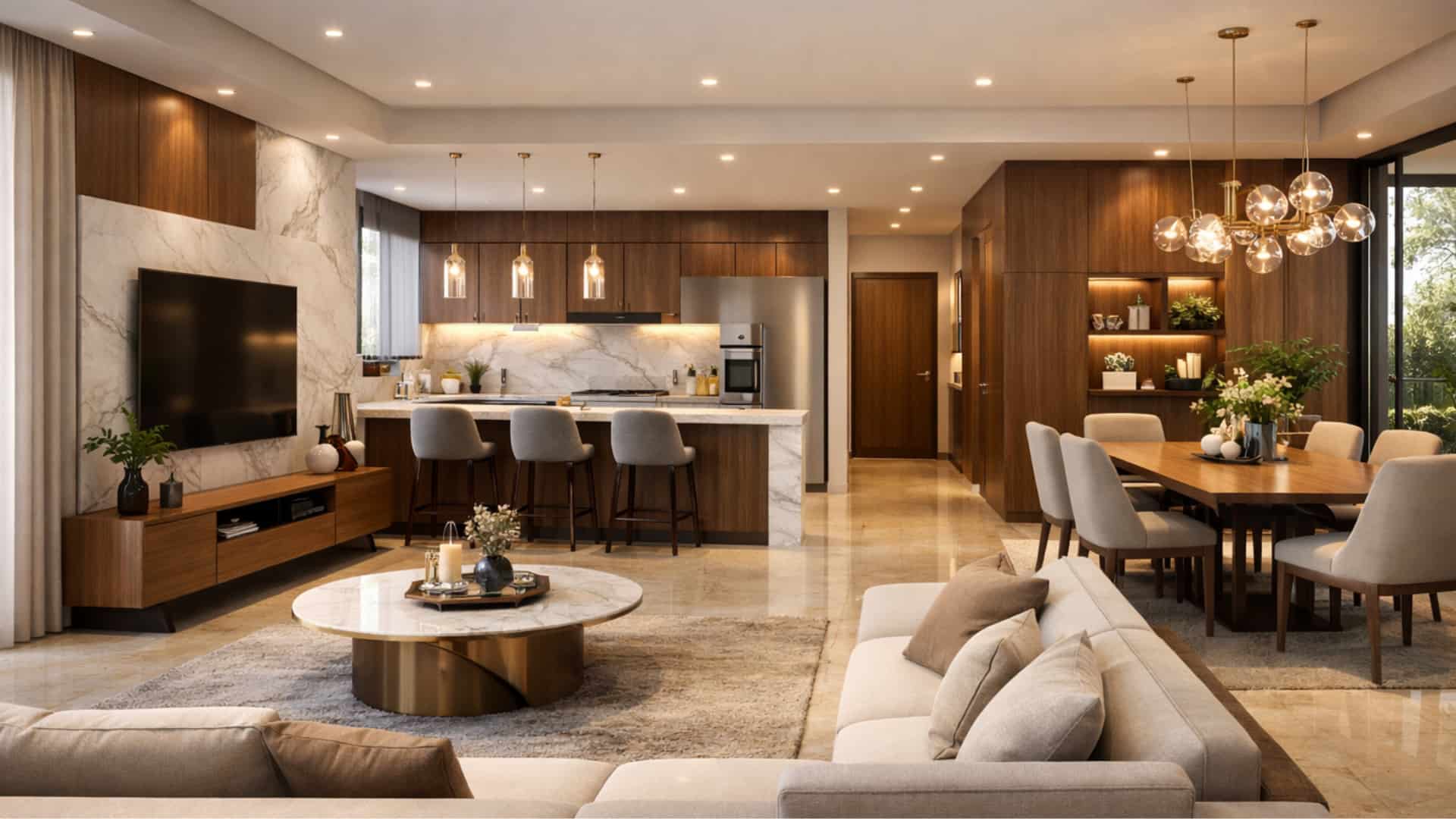
Materials contribute significantly to the sensory character of an interior. Timber can provide warmth, marble can introduce a sense of permanence, glass can enhance visual openness, while textured fabrics can soften otherwise rigid architectural forms.
The interplay between materials is particularly important.
Too many competing textures can create visual noise. Too few can make a room appear flat. The art lies in establishing contrast without chaos.
Practicality also matters. Materials should be evaluated according to durability, maintenance, moisture exposure, usage patterns, and long-term performance.
A visually striking material is useful only when it suits the environment in which it is installed.
Lighting That Transforms Atmosphere
Lighting has an extraordinary ability to alter the perception of a room. The same furniture and materials can appear completely different under varying illumination.
Natural light should be considered first. Window orientation, curtains, blinds, and reflective surfaces can influence how daylight moves through a space.
Artificial lighting can then create layers. Ambient illumination provides general brightness, task lighting supports specific activities, and accent lighting emphasizes artwork, architectural details, or decorative objects.
This layered approach introduces depth and allows the atmosphere to change throughout the day.
Designing Functional Living Spaces
Living rooms frequently serve multiple purposes. They may function as social spaces, relaxation areas, entertainment zones, and informal workspaces.
A successful design accommodates these functions without making the room feel fragmented. Furniture proportions, circulation pathways, storage solutions, and focal points all contribute to the outcome.
A carefully selected centerpiece can anchor the room. It might be an artwork, a distinctive light fixture, a textured wall, or simply a thoughtfully arranged seating zone.
The objective is not maximal decoration. It is purposeful composition.
Kitchens Where Beauty Meets Utility
Kitchens demand a particularly pragmatic approach. They must accommodate preparation, storage, cleaning, appliances, and movement while maintaining an appealing appearance.
Efficient cabinetry can reduce clutter and make frequently used items easier to access. Pull-out storage, tall units, drawer organizers, and integrated appliances can create a streamlined environment.
Lighting is equally important. Work surfaces require adequate illumination, while ambient fixtures can provide a warmer atmosphere when the kitchen becomes a social gathering area.
The best kitchen designs feel effortless because their functional logic is almost invisible.
Bedrooms and Personal Retreats
Bedrooms benefit from a quieter visual vocabulary. Soft materials, balanced colors, comfortable furniture, and carefully controlled lighting can create a tranquil atmosphere.
Storage should remain practical but discreet. Wardrobes, bedside units, and shelving can be integrated into the overall composition rather than appearing as isolated objects.
Personal touches can then add warmth. Artwork, books, photographs, textiles, and meaningful objects can make the room feel inhabited rather than staged.
Sustainable and Long-Lasting Design
Modern interiors increasingly consider environmental responsibility alongside aesthetics. Durable materials, energy-efficient lighting, responsible sourcing, and adaptable furniture can contribute to more sustainable spaces.
Longevity is equally important. Choosing finishes and furniture that remain functional and visually relevant for years can reduce unnecessary replacement.
This approach favors thoughtful investment over disposable decoration.
Integrating Smart Technology
Technology is becoming an integral part of contemporary homes. Smart lighting, automated curtains, security systems, climate controls, and connected appliances can improve convenience.
However, technology should be integrated discreetly.
Exposed wires, oversized controls, and poorly positioned devices can disrupt an otherwise cohesive interior. Proper planning during the design stage allows electrical infrastructure and smart systems to be incorporated with greater subtlety.
The ideal result is a home that feels technologically capable without looking technologically cluttered.
Choosing the Right Interior Design Approach
Selecting interior designers in bangalore should involve more than examining attractive photographs. Homeowners can consider design philosophy, project experience, communication practices, material knowledge, budgeting methods, and the ability to adapt ideas to individual requirements.
A portfolio can demonstrate aesthetic capability, but a thoughtful consultation can reveal whether the designer understands the practical realities of the project.
Clear expectations are essential. Budget, timelines, materials, functionality, and design direction should be discussed before major decisions are made.
About the Author