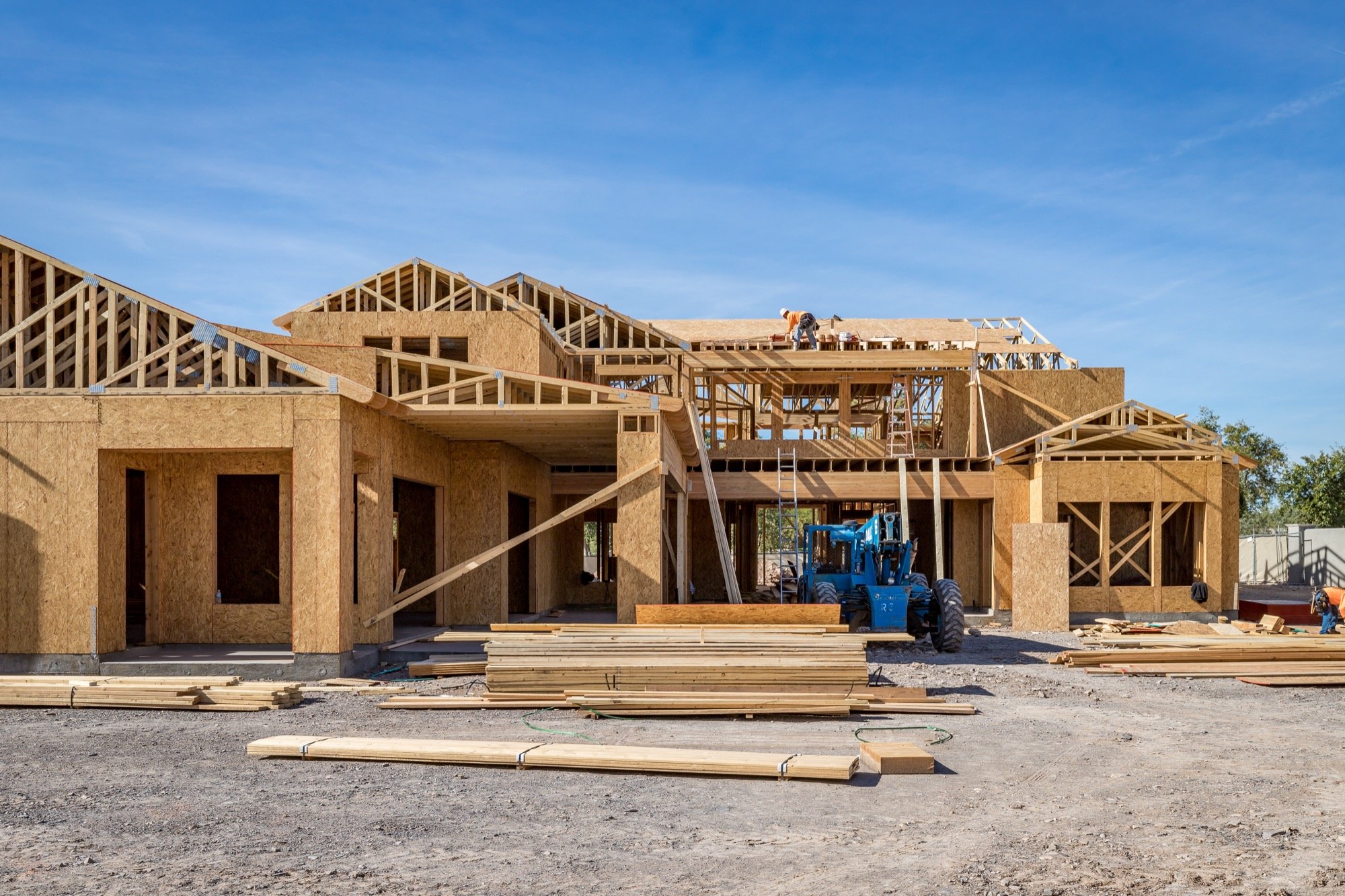
Building a custom home is a dream for many, but it requires careful financial planning. Unlike buying an existing property, constructing a home from the ground up demands specialized financing. This is where construction loans come in. Designed specifically for building projects, these loans provide the funds needed at each stage of construction while keeping the process organized and manageable.
How Construction Loans Work
Construction loans differ from traditional mortgages because the funds are disbursed in phases rather than as a lump sum. Each phase corresponds to a milestone in the construction process, such as:
- Laying the foundation
- Framing and roofing
- Plumbing, electrical, and insulation
- Interior finishing
This staged approach allows borrowers to pay interest only on the funds already used, reducing financial strain during the build. Lenders also perform inspections before each draw to ensure the project is progressing according to plan.
Types of Construction Loans
There are several types of construction loans to suit different projects:
- Construction-to-Permanent Loan – Starts as a short-term construction loan and converts into a mortgage when the home is completed.
- Standalone Construction Loan – Finances only the construction phase; borrowers must secure a separate mortgage afterward.
- Renovation Loan – Ideal for major upgrades or remodeling existing properties.
- Owner-Builder Loan – For borrowers acting as their own contractor, although these loans are more difficult to qualify for.
Choosing the right type of loan ensures that financing aligns with the scope and goals of your project.
Benefits of Construction Loans
Construction loans offer unique advantages for both homeowners and developers:
- Flexibility – Funds are released as needed, reducing unnecessary borrowing.
- Customization – Enables you to build a property tailored to your exact specifications.
- Interest Efficiency – You only pay interest on the drawn funds, keeping costs manageable during construction.
- Oversight – Lender inspections provide accountability and ensure quality work.
Challenges to Consider
Although construction loans are powerful tools, they come with challenges:
- Higher interest rates compared to traditional mortgages
- Larger down payment requirements (usually 20–25%)
- Strict borrower qualifications, including strong credit and financial stability
- Potential construction delays that can extend the loan term
Being aware of these factors and planning accordingly can help you navigate the process more smoothly.
Tips for Securing a Construction Loan
- Choose a Qualified Builder – Lenders prefer licensed, experienced contractors with a track record of successful projects.
- Prepare Detailed Documentation – Submit comprehensive plans, budgets, and timelines to support your loan application.
- Maintain Strong Credit – A solid credit score increases the likelihood of approval.
- Budget for Contingencies – Set aside extra funds to cover unexpected costs like delays or material price increases.
Who Should Consider Construction Loans
Construction loans are suitable for:
- Individuals building a custom home
- Real estate investors developing new properties
- Homeowners planning extensive renovations
For anyone looking to create a home or property tailored to their vision, these loans provide the necessary structure and funding flexibility.
Conclusion
Construction loans simplify the process of financing a build, offering staged funding, oversight, and interest-only payments during construction. While they require preparation, documentation, and strict qualifications, the benefits far outweigh the challenges.
About the Author