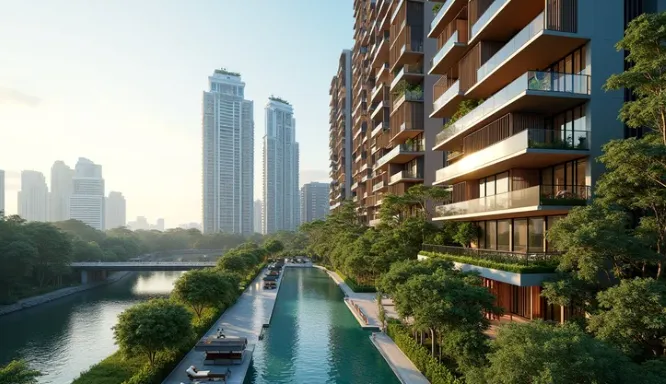
Introduction & Background
The world is facing a growing housing crisis, driven by rapid urbanization, population growth, and environmental challenges. Traditional construction methods struggle to meet the demand for affordable, sustainable, and adaptable living spaces. Innovative housing solutions are emerging as a response to these pressures, offering smarter, more efficient ways to build communities for tomorrow. These advancements are not just transforming how we construct homes but also redefining the very idea of community living. From modular homes to smart cities, the future of housing is being reshaped by creativity, technology, and a commitment to sustainability.
Concept & Overview
Innovative housing solutions refer to modern approaches that prioritize sustainability, affordability, and flexibility in residential development. These solutions leverage cutting-edge technologies, alternative materials, and adaptive designs to address the evolving needs of communities. Unlike conventional construction, which can be slow and resource-intensive, innovative housing often emphasizes speed, efficiency, and eco-friendliness. The core principles include reducing carbon footprints, maximizing space utilization, and creating resilient structures that can adapt to changing circumstances. This shift is crucial in an era where climate change and housing shortages demand urgent, forward-thinking solutions.
Key Features & Highlights
- Modular and Prefabricated Construction: Homes built in factories and assembled on-site, reducing construction time and waste. These structures are highly customizable and can be expanded or reconfigured as needed.
- Smart Home Integration: Homes equipped with advanced technologies such as IoT devices, energy management systems, and automated climate control. These features enhance comfort, security, and energy efficiency.
- Sustainable Materials: Use of eco-friendly materials like cross-laminated timber, recycled steel, and bamboo. These materials reduce environmental impact and improve indoor air quality.
- 3D Printing in Construction: Rapid prototyping and on-site printing of building components, allowing for intricate designs and reduced material waste. This technology is particularly useful in disaster-stricken areas where quick shelter is needed.
- Co-living and Micro-Housing: Compact living spaces designed for efficiency, often shared among multiple occupants to maximize affordability. These solutions are ideal for urban areas where space is limited.
- Green Roofs and Vertical Gardens: Integration of vegetation into building designs to improve insulation, reduce stormwater runoff, and provide fresh produce. These features contribute to healthier urban environments.
- Disaster-Resistant Designs: Structures built to withstand extreme weather, earthquakes, or floods, ensuring safety and longevity. Innovations such as floating homes and elevated foundations are gaining popularity.
Frequently Asked Questions / Pros & Cons
What are the main benefits of innovative housing solutions?
Innovative housing solutions offer several advantages, including faster construction times, lower costs, and reduced environmental impact. They also provide greater flexibility and adaptability, allowing homes to evolve with the needs of their occupants. Additionally, these solutions often incorporate energy-efficient technologies, leading to long-term savings on utility bills.
Are innovative housing solutions affordable for the average person?
While some innovative housing options can be more affordable than traditional homes due to reduced construction costs and energy efficiency, others may require a higher upfront investment. However, the long-term savings on maintenance, utilities, and potential tax incentives often offset the initial expense. Financing options and government subsidies are also becoming more widely available to support these housing models.
How do smart home technologies improve housing quality?
Smart home technologies enhance housing quality by providing greater control over energy consumption, security, and comfort. For example, automated lighting and thermostats can reduce energy bills, while smart locks and surveillance systems improve safety. These technologies also allow homeowners to monitor their homes remotely, offering peace of mind and convenience.
What are the challenges associated with adopting innovative housing solutions?
One of the primary challenges is the need for updated building codes and regulations that accommodate new construction methods and materials. Additionally, there may be resistance from traditional builders or buyers who are unfamiliar with these innovations. Supply chain issues, particularly for specialized materials, can also pose obstacles. Public education and awareness campaigns are essential to overcome these barriers.
How can communities benefit from co-living and micro-housing solutions?
Co-living and micro-housing solutions foster a sense of community by encouraging collaboration and shared resources. They provide affordable housing options in densely populated areas, reducing urban sprawl and promoting sustainable living. These models also support social connections, which are vital for mental health and well-being, especially in fast-paced urban environments.
Practical Guidance & Solutions
For those considering innovative housing options, the first step is to research the different types of solutions available and determine which best fits their needs. Start by evaluating your budget, lifestyle, and long-term goals. Consulting with architects, builders, or housing specialists who have experience with these methods can provide valuable insights.
If sustainability is a priority, look for homes built with recycled or renewable materials and equipped with energy-efficient systems. For urban dwellers, micro-housing or co-living spaces may offer a practical solution to high living costs. It’s also worth exploring financing options, such as green mortgages or grants for sustainable housing projects.
When planning a new build, consider the potential for future expansion or modification. Modular homes, for instance, can be easily extended as families grow or needs change. Additionally, incorporating smart home technologies from the outset can enhance efficiency and comfort while reducing long-term costs.
Communities can play a role by advocating for updated zoning laws and building codes that accommodate innovative housing. Supporting local initiatives that promote sustainable development can also create a more inclusive and resilient housing market.
Conclusion
The future of housing is being redefined by innovation, sustainability, and adaptability. From modular homes to smart cities, these solutions are not just addressing the challenges of today but also paving the way for a more resilient and connected tomorrow. As technology advances and awareness grows, innovative housing will become more accessible and mainstream, transforming the way we live, work, and interact with our communities. By embracing these changes, we can build homes that are not only functional but also harmonious with the environment and the needs of their inhabitants. The journey toward unlocking the future of housing has only just begun, and the possibilities are endless.
About the Author