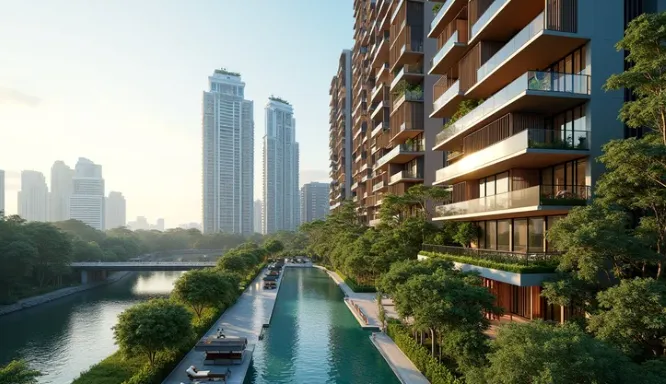
The Art of Crafting Your Dream Home: Innovative House Design Ideas
Designing your dream home is an exciting journey that blends creativity, functionality, and personal expression. Whether you’re building from scratch or renovating an existing space, innovative house design ideas can transform your vision into a reality. The key lies in balancing aesthetics with practicality while incorporating modern trends that enhance livability. From sustainable materials to smart home technology, today’s design possibilities are more diverse than ever. This guide explores groundbreaking concepts to inspire your home-building adventure and help you create a space that truly feels like a sanctuary.
The Foundation of Thoughtful Design
Before diving into aesthetics, it’s essential to establish a strong foundation for your home’s design. This phase involves understanding your lifestyle, family needs, and future goals. Consider factors like natural light, spatial flow, and energy efficiency early on, as these elements will shape every other decision. A well-designed home should adapt to your daily routines while providing comfort and functionality. Start by creating a detailed wish list of must-haves, such as an open-concept kitchen, a cozy reading nook, or a home office. Prioritizing these elements ensures your design aligns with your priorities rather than chasing fleeting trends.
Another critical aspect is the site itself. The orientation of your home can significantly impact energy efficiency and livability. For instance, positioning living areas to face south in the Northern Hemisphere maximizes natural warmth and light, reducing heating costs. Conversely, placing bedrooms on the north side can create cooler, more restful spaces. Incorporating passive solar design principles—such as overhangs, thermal mass materials, and strategic window placement—can further optimize comfort while minimizing environmental impact. By grounding your design in these fundamental principles, you set the stage for a home that is both beautiful and functional.
Embracing Sustainable and Eco-Friendly Solutions
Sustainability is no longer a niche consideration but a cornerstone of modern home design. Eco-friendly materials and systems not only reduce your carbon footprint but also lower long-term utility costs and enhance indoor air quality. Start with the building materials: opt for reclaimed wood, bamboo, or recycled metal for flooring, cabinetry, and structural elements. These materials are not only durable but also add unique character to your home. Additionally, consider insulated concrete forms (ICFs) or straw bale construction for walls, which offer superior energy efficiency and natural insulation.
Beyond materials, incorporate renewable energy sources to power your home. Solar panels are the most accessible option for many homeowners, providing clean energy while potentially qualifying you for tax incentives. Pair these with smart home systems that monitor and optimize energy use, such as programmable thermostats and LED lighting. Water conservation is another vital component—install low-flow fixtures, rainwater harvesting systems, and drought-resistant landscaping to minimize waste. Even small choices, like using non-toxic paints and finishes, contribute to a healthier living environment. By prioritizing sustainability, you create a home that is kind to the planet and future generations.
Innovative Layouts for Modern Living
Gone are the days of rigid, compartmentalized floor plans. Today’s home designs favor open, flexible layouts that adapt to evolving lifestyles. Open-concept living spaces—where the kitchen, dining, and living areas flow seamlessly—encourage interaction and make entertaining effortless. This layout also maximizes natural light, creating an airy, inviting atmosphere. For smaller homes or urban dwellings, consider multi-functional rooms that serve dual purposes, such as a guest bedroom that doubles as a home office or a Murphy bed that tucks away when not in use.
Another trend gaining traction is the integration of indoor and outdoor living. Expansive glass doors, sliding walls, and covered patios blur the boundaries between inside and outside, allowing you to enjoy nature year-round. Courtyards, rooftop gardens, and vertical green walls are also excellent ways to bring the outdoors in while improving air quality. For families, flexible spaces like loft areas or playrooms can evolve with your children’s needs. Meanwhile, adults benefit from dedicated zones for hobbies, wellness, or relaxation, such as a home spa or a hobby workshop. The goal is to design a home that grows with you, adapting to your changing needs without requiring costly renovations.
Smart Home Technology: The Future of Living
The integration of smart home technology has revolutionized how we interact with our living spaces. From voice-activated assistants to automated climate control, these innovations offer unparalleled convenience, security, and energy efficiency. Start with a robust Wi-Fi network as the backbone of your smart home, ensuring seamless connectivity for all devices. Smart lighting systems, like Philips Hue or Lutron, allow you to adjust brightness and color temperature via your smartphone or voice commands, creating the perfect ambiance for any occasion. Thermostats such as Nest or Ecobee learn your preferences and optimize heating and cooling, reducing energy waste.
Security is another area where smart technology shines. Video doorbells, smart locks, and motion-sensor cameras provide real-time alerts and remote monitoring, giving you peace of mind whether you’re at home or away. For entertainment, consider a whole-home audio system or a smart TV with integrated streaming services. Even kitchen appliances are getting smarter—refrigerators with touchscreens, ovens that can be preheated remotely, and coffee makers that brew on schedule. When selecting smart devices, prioritize interoperability to ensure all systems work together harmoniously. The key is to integrate technology in a way that enhances daily life without overwhelming it, creating a home that is both cutting-edge and comfortable.
Designing for Wellness and Comfort
A dream home should nurture both body and mind, promoting health and well-being through intentional design choices. Biophilic design, which emphasizes a connection to nature, is a powerful tool for creating calming, rejuvenating spaces. Incorporate natural elements like indoor plants, water features, and organic materials such as wood and stone to foster a sense of tranquility. Large windows that offer views of greenery or the sky can reduce stress and boost mood, while proper ventilation ensures clean, fresh air circulation.
Acoustics also play a crucial role in wellness. Poor sound insulation can turn a peaceful retreat into a noisy environment, especially in open-plan homes. Use rugs, curtains, and acoustic panels to dampen echoes and control noise levels. Lighting design is equally important—layered lighting with dimmable options allows you to adjust the ambiance to suit different activities, from bright task lighting for cooking to warm, soft lighting for evening relaxation. Additionally, consider ergonomic furniture and layouts that reduce strain on the body, such as adjustable-height desks or kitchen islands at comfortable working heights. By prioritizing wellness in your design, you create a home that supports both physical and emotional health.
Personalizing Your Space with Unique Touches
While trends provide inspiration, the heart of your dream home lies in the personal touches that reflect your individuality. Artwork, heirlooms, and custom furniture pieces tell your story and make your space feel uniquely yours. Start by selecting a cohesive color palette that evokes the emotions you want to feel in each room. Bold accent colors can add vibrancy to neutral spaces, while earthy tones create a grounding effect. Textiles like throw pillows, blankets, and area rugs offer an easy way to experiment with textures and patterns without a long-term commitment.
Customization extends to architectural details as well. Consider unique ceiling treatments, such as coffered or vaulted ceilings, to add depth and character. Built-in shelving, window seats, or a fireplace with a stone surround can serve as focal points while maximizing functionality. For outdoor spaces, think beyond traditional patios—incorporate fire pits, outdoor kitchens, or a pergola draped with climbing plants to create an inviting extension of your home. Don’t overlook the power of scent and sound: essential oil diffusers, white noise machines, or a carefully curated playlist can elevate the sensory experience of your home. Ultimately, the most memorable homes are those that tell a story, so infuse your personality into every corner.
Overcoming Common Design Challenges
Even with a clear vision, designing a dream home comes with its share of challenges. One of the most common hurdles is balancing budget constraints with aspirations. To navigate this, prioritize projects based on their impact and necessity. For example, investing in high-quality insulation and windows may yield greater long-term savings than fancy cabinetry. Phased renovations can also spread costs over time, allowing you to tackle one area at a time. Additionally, explore cost-effective alternatives like peel-and-stick wallpaper or modular furniture, which offer style without breaking the bank.
Another challenge is navigating local building codes and zoning regulations. Before finalizing your design, consult with an architect or builder to ensure compliance. They can also help you avoid costly mistakes, such as structural oversights or material incompatibilities. For older homes, hidden issues like asbestos or outdated wiring may require professional remediation, so budget for contingencies. Space constraints, especially in urban areas, call for creative solutions like multi-level designs or built-in storage. Working with a skilled contractor who understands your vision can make all the difference in turning challenges into opportunities for innovation.
Final Thoughts: Your Dream Home Awaits
Designing your dream home is a deeply personal and rewarding process. It’s an opportunity to create a space that not only meets your practical needs but also nourishes your soul. By combining innovative ideas with thoughtful planning, you can craft a home that is as functional as it is beautiful. Remember that trends come and go, but timeless design principles—such as sustainability, flexibility, and personalization—will always stand the test of time. Whether you’re drawn to minimalist modernism, cozy cottage charm, or something entirely unique, the key is to stay true to your vision while embracing the possibilities.
Start by envisioning what your ideal day in your dream home looks like. Picture the sights, sounds, and feelings you want to experience daily. Then, work with professionals who can bring that vision to life, guiding you through the complexities of design and construction. With patience, creativity, and a willingness to explore new ideas, you’ll soon find yourself stepping into a space that feels perfectly tailored to you. Your dream home isn’t just a place to live—it’s a sanctuary, a reflection of your dreams, and a testament to your unique journey.
About the Author