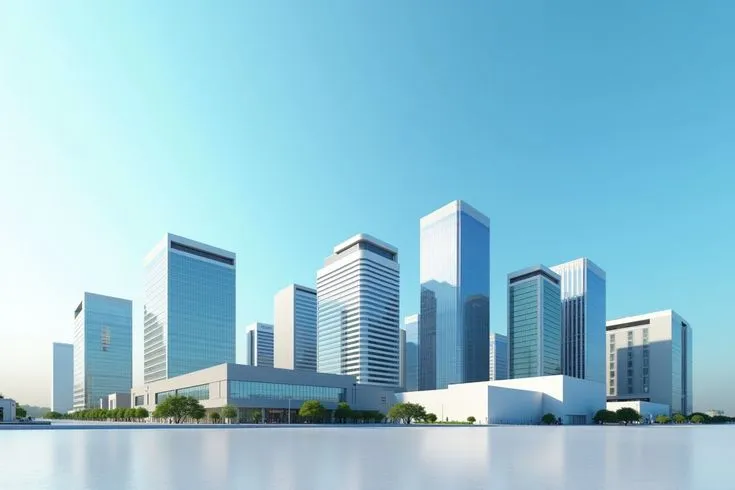
The necessity to be convenient and feel a part of the urban environment is becoming a shaper of the urban housing. The contemporary citizens are searching places to live where they can relax on their daily lives but promote social interaction. Such projects like Tengah Garden Residences and Promenade Peak indicate the change of planning focus, which now prefers accessibility, comfort, and experiences togetherness in a crowded urban setting.
Convenience as a Design Principle.
Residential planning is currently being concerned with minimizing the effort of the resident on daily basis. Close access to the necessary services, effective interior designs, and convenient facilities all mean easier living. Tengah Garden Residences offers an example of how convenience may be incorporated into residential design, so that a person does not spend his or her time on traveling and disturbing activities.
Urban Living in Communities.
The community-oriented design has increasingly become popular in residential projects. Communal areas do not deny privacy and they promote interaction. A similar balance is evident in the Promenade Peak which provides environments conducive to small-scale social interaction. Such designs make residents feel part of their environment and minimise isolation and build stronger neighbourhoods in bustling urban environments.
Plans in Favor of Functional Living.
Effective designs make urban houses look orderly and flexible. There is clarity in zoning between shared and private areas enhancing the daily usability. Tengah Garden Residences illustrates how careful space planning can help to minimize the clutter and can assist various activities in the small interiors. These designs enable the residents to customise their own homes whilst ensuring comfort and free flow.
Facilities That increase the level of convenience in everyday life.
The amenities of the modern world are created to assist in daily activities and not luxury per se. Promenade Peak incorporates common facilities that expand space to live beyond the individual units.
- Lounges are common to work and relaxation.
- There are flexible rooms that form the various activities.
- Open spaces ease the strain on indoor spaces.
Common Areas Enabling Interrelationship.
Community areas are so constructed to welcome communication without disturbing the residents. This style is brought into Tengah Garden Residences evident in common places that are friendly and balanced.
- Conversation is supported by informal seating.
- Pedestrian walkways promote movement.
- Social areas enhance social bonds.
Being Connected and Not Losing Privacy.
City dwellings have to reconcile the accessibility with residential peace. Promenade Peak demonstrates that close attachments to transport and services are possible to co-exist with calm living conditions. Careful orientation and proper management can also prevent the interiors to get noisy to enable the residents to experience the convenience of the city without interfering with the personal comfort and privacy.
Flexible houses that are changing lifestyle.
The way of life is changing in the cities, and residential design should follow suit. Adaptable interiors promote remote work, family development, and changing schedules. Promenade Peak illustrates the way flexible layouts enable the residents to change their living environment with time. Long term comfort is also facilitated by this flexibility and frequent relocation is minimized.
Conclusion
Combining convenience and community residential developments are likely to have long term value. The Tengah Garden Residences and Promenade Peak examples explain how planned integration facilitates both social and everyday convenience. Urban homes will be able to create constructive communities by emphasizing practical design, communal facilities, and considerate designs to support the practical needs of urban living.
About the Author